Five different threats targeting five journalists and one media house were reported during January 2026, including a murder, threats of harm, legal intimidation, arrests based on formal cases, and digital attacks. These incidents highlight the continuing risks faced by both individual journalists and media organisations, particularly those covering sensitive issues. These cases were categorised as follows:
Murder (successful assassination attempt)
Threat of harm (non-murder related)
Threat of legal action (by private party or state – law related)
Arrest (based on case/FIR/formal accusation)
Digital attacks (hacking, data theft, impersonation, doxing, surveillance, phishing, coordinated campaign, etc.)
These incidents were reported through Pakistan Press Club Safety Hubs Network, a program FN is managing since 2016. In collaboration with eight largest press clubs : Karachi, Lahore, Multan, Quetta, Islamabad, Peshawar, Gilgit and Muzaffarabad. The program monitors and documents violations against media, its practitioners and media workers while providing essential support to journalists at risks.
Murder (successful assassination attempt)
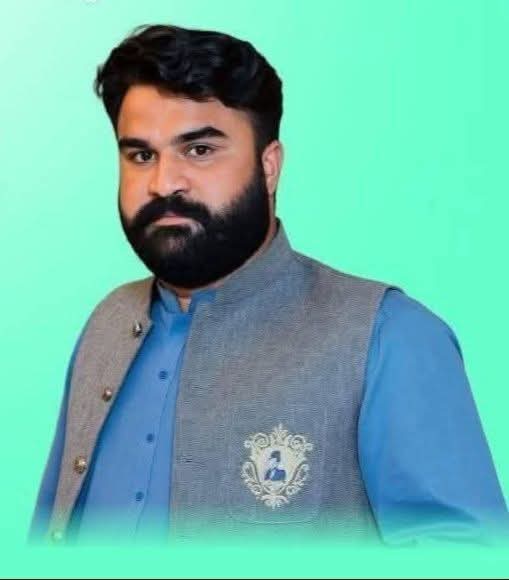
Journalist: Shahzad Gujjar, District Reporter, Naya Dour
Threat Actor: Non-state actors
Incident Summary:
On 25 January 2026, district reporter Shahzad Gujjar from Chowk Azam, Layyah, Punjab, was shot dead by members of the timber mafia in retaliation for his reporting on their illegal activities. Shahzad Gujjar was traveling with his brother and other family members to attend a ceremony of his relative when the assailants intercepted their vehicle and opened fire. The attack not only killed the journalist and his brother on the spot but also left four family members injured.
Threat Developments:
The murder has deeply shocked the journalis community of Layyah. Mohsin Adil Chaudhry, President of the District Press Club, Layyah, and other media representatives condemned the killing and demanded an investigation to arrest and prosecute the perpetrators. The incident highlights the severe risks journalists face when reporting on criminal enterprises and organized illegal activities in local communities.
Threat of legal action (by private party or state – law related)
Journalist: Awardin Mehsood, Freelance Reporter
Threat Actor: Political Parties
Incident Summary:
On 27 January 2026, Awardin Mehsood, a senior journalist and president of the Tribal Union of Journalists in South Waziristan, was issued a summon notice by the Cyber Crime Reporting Center, Peshawar, over allegations of online defamation. The notice followed a complaint by PTI MPA Asif Khan Masood, who accused the journalist of allegedly “spreading defamatory content” on social media. Awardin Mehsood maintains that the notice is linked to his reporting on public issues and alleged corruption in road construction projects in South Waziristan, Khyber Pakhtunkhwa.
Threat Developments:
The case highlights concern over press freedom in Khyber Pakhtunkhwa, where legal mechanisms under the PECA Act are increasingly used to pressure journalists covering governance failures and corruption. Media and human rights organizations have warned that such actions create a chilling effect on independent reporting, particularly in marginalized areas like Waziristan, limiting accountability and public scrutiny.
Threat of Legal action(by private party or state- law related)
Journalist: Nadir Abbas Baloch, Freelance Reporter/Analyst
Threat Actor: State actor
Incident Summary:
On 1 January 2026, freelance journalist and digital content creator Nadir Abbas Baloch was summoned by the NCCIA to appear at its office in Gulberg-II, Lahore, Punjab, in connection with an alleged defamation inquiry linked to his social media reporting on platforms including X and YouTube. The inquiry followed a complaint reportedly filed by the brother of the chairman of the Pakistan Ulema Council. The notice did not specify which posts were considered objectionable.
Nadir Baloch informed the agency in writing that he would not appear until the allegations and the content in question were clearly identified. He was subsequently issued a second notice on 7 January 2026 directing him again to appear for investigation.
The journalist also stated that on 4 December 2025, after covering proceedings at the Islamabad High Court in Islamabad, he was followed by an unidentified vehicle without a number plate, raising concerns about his safety.
Threat Developments:
On 20 January 2026, the National Press Club strongly condemned what it described as harassment of the journalist, calling the repeated notices and pressure a direct attack on press freedom and freedom of expression. The NPC urged authorities to refrain from using state mechanisms to intimidate journalists and emphasized the need to ensure their safety, warning that continued pressure on reporters covering sensitive issues would face resistance from the journalistic community.
Arrest (based on case/FIR/formal accusation)
Journalists: Asif Iqbal, Reporter, Mashriq TV; Javed Khan, Reporter, Daily Pine
Threat Actor: State actor
Incident Summary:
On 22 December 2025, journalists Asif Iqbal and Javed Khan in Haripur district in Khyber Pakhtunkhwa province, were arrested by the National Cyber Crime Investigation Agency (NCCIA) under the Prevention of Electronic Crimes Act (PECA). Both journalists had posted content on social media regarding alleged corruption in the district Food Department, based on official documents obtained through the Right-to-Information (RTI) law. They were detained for seven days before being released.
Threat Developments:
The arrests reflect a troubling trend of targeting journalists for reporting on public interest matters. Both journalists’ work, grounded in official documents and RTI requests, falls within the core principles of investigative journalism. Such actions raise serious concerns about freedom of the press, misuse of cyber laws, and the shrinking space for accountability reporting in Pakistan.
Threat of harm (non-murder related)
Journalists: Khalid Masood, District Reporter, Daily Khabrain, Multan; Ismail Aslam, District Reporter
Threat Actor: State actor
Incident Summary:
On 28 January 2026, journalists Khalid Masood and Ismail Aslam were intimidated while performing their professional duties in DHQ Hospital, Vehari, Punjab. During the visit of Punjab Health Secretary Nadia Saqib, the journalists asked questions about the shortage of medicines and the absence of doctors at the hospital and began recording video footage. According to reports, the health secretary instructed a DGPR officer to confiscate their mobile phones. Speaking to Freedom Network, the journalists emphasized that their actions were part of their duty to report on public health issues, and that the seizure of their equipment was an attempt to obstruct their work and intimidate them.
Threat Developments:
The incident highlights the pressures faced by journalists in holding public officials accountable. The confiscation of mobile phones and the obstruction of reporting led local journalists to boycott the rest of the health secretary’s visit in protest. Press organizations and journalists called on the administration to address these administrative shortcomings and ensure that reporting on public interest matters is not hindered, stressing that intimidation and obstruction undermine transparency and accountability.
Digital attacks (hacking, data theft, impersonation, doxing, surveillance, phishing, coordinated campaign, etc.)
Media House: Lok Sujag
Threat Actor: State Authorities
Incident Summary:
On 21 January 2026, the website of the digital media platform Lok Sujag in Lahore, Punjab, was restored after a period of inaccessibility in Pakistan for few days. Earlier, the platform reported that its website had been blocked on regular browsers within the country and was only accessible through VPNs, while remaining accessible abroad. Lok Sujag stated that it did not receive any notice or official communication from the Pakistan Telecommunication Authority (PTA) regarding the blockage. During this period, no stories were removed from the platform. The organization’s team was in contact with legal experts and media professionals to determine its course of action.
Threat Developments:
The temporary blockage raised concerns over digital interference and potential suppression of independent reporting in Pakistan. Lok Sujag reaffirmed its commitment to its editorial principles and continued to focus on highlighting issues of marginalized and overlooked communities. The restoration of the website allows the platform to resume normal operations, and the incident highlights the vulnerabilities digital media outlets face in maintaining uninterrupted access to their audiences.
Threats, Attacks, and Harassment against Various Types of Media:
Three print journalists, one television journalist, and one internet journalist and one media organisation faced threats during January 2026.
Threat Actors:
In Four cases, state actors were believed to be involved, while one case each involved a political party and non-state actors.
CAPTION: File photo of late journalist Shahzad Gujjar.